Understanding the Impact of UK’s Horse Racing Non-Events
Understanding the Impact of UK’s Horse Racing Non-Events
Horse racing has been an integral part of British culture for centuries, captivating audiences with its thrilling display of speed and skill. However, there are times when horse racing events do not take place, leading to various consequences for the industry, participants, and fans. In this article, we will explore the implications of UK horse racing not being held, delving into the factors that contribute to this phenomenon and what it means for stakeholders. Additionally, we will touch on the role of organizations such as the UK horse racing not on GamStop Merseyside Mounted police in ensuring safety and order during racing events.
The Importance of Horse Racing in the UK
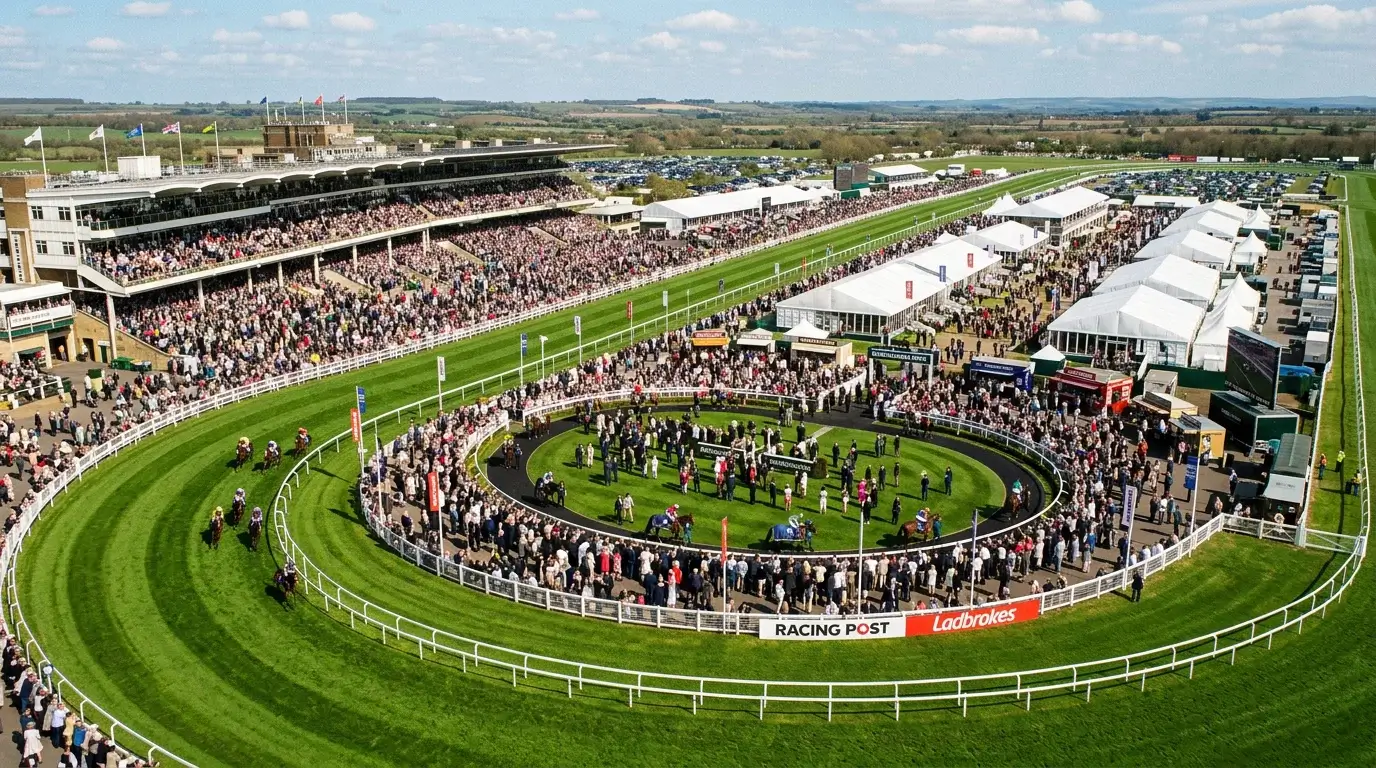
Horse racing is more than just a sport in the UK; it is an institution that combines tradition, entertainment, and business. Events such as The Grand National and Royal Ascot attract hundreds of thousands of spectators each year, generating significant revenue for the economy. The industry supports thousands of jobs, ranging from trainers and jockeys to stable hands and hospitality staff. The loss of racing events can create ripples across various sectors, highlighting the need for a stable and sustainable racing calendar.
Reasons for Racing Non-Events
There are several factors that can lead to horse racing events being canceled or postponed in the UK. These can include:
- Weather Conditions: Adverse weather can make tracks unsafe for racing. Heavy rain, snow, or extreme temperatures can lead to cancellations as the safety of horses and jockeys is the top priority.
- Health Concerns: Outbreaks of diseases like equine flu can lead to the suspension of racing activities to prevent widespread infection among horses.
- Financial Pressures: Financial instability among racecourses or a decline in attendance can sometimes lead to the cancellation of scheduled events.
- Lack of Engagement: Sometimes events may be canceled if there is a perceived lack of interest from the public or competing events that divert attention away.
The Impact of Canceled Events
When horse racing events are not on, the ramifications can be felt across the industry. The immediate effects include financial losses for racecourses, trainers, and associated businesses that rely on the influx of spectators. Moreover, a lack of racing can lead to diminished interest in the sport, with fans potentially looking elsewhere for entertainment. The long-term consequences may include a decline in the breeding and training of racehorses and a reduction in sponsorship and investment from external sources.
Support Systems During Non-Events
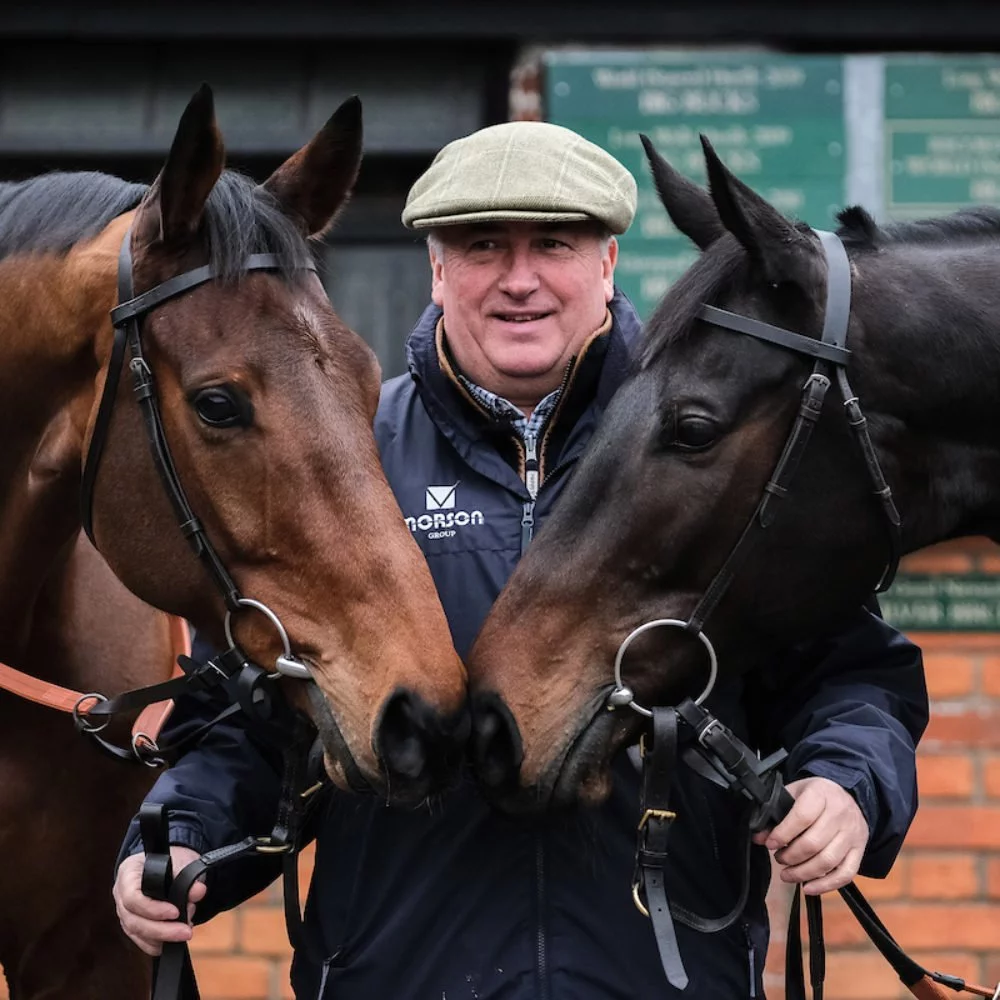
During periods when racing is suspended, various stakeholders work together to minimize the adverse effects. For example, trainers may focus on the well-being of their horses, ensuring they remain in top condition for when races resume. Jockeys might take the opportunity to engage in fitness training or participate in charity events to maintain visibility in the sport.
Other horse-related organizations, such as local mounted police units like the Merseyside Mounted, play a significant role in maintaining community engagement and promoting safety around equestrian activities. Their presence during events is crucial, and during non-racing periods, they often shift focus towards community outreach and educational initiatives.
Alternative Events and Routines
When traditional racing events are not taking place, alternative competitions and horse-related activities can keep the spirit of the sport alive. Local shows, dressage competitions, and eventing can serve as substitutes, allowing equestrians to showcase their skills and maintain public interest in horses. Training courses and workshops also help keep horse enthusiasts engaged and active in the equine community.
The Role of Technology and Innovation
The advent of technology has altered how fans engage with horse racing, particularly during non-event periods. Online platforms provide fans with access to live-streamed events, betting opportunities on international races, and opportunities for virtual interactions. Such innovations can mitigate the impact of canceled local events by maintaining fan engagement through various channels.
Looking Forward
The future of horse racing in the UK will likely involve a combination of traditional events and innovative approaches to reach current and new audiences. Stakeholders must adapt to challenges and find creative solutions to ensure the sport remains vibrant, even when circumstances dictate that events cannot go ahead. The emphasis will be on building resilience into the racing calendar, enhancing safety protocols, and fostering community involvement to ensure that interest in horse racing endures.
Conclusion
In conclusion, while horse racing in the UK is a cherished tradition that faces challenges during non-events, the collaborative efforts among industry stakeholders can help mitigate the impacts. Understanding the factors leading to cancellations—such as weather, health issues, and economic downturns—will be crucial in maintaining the vitality of this sport. Community engagement, technological advancements, and support from organizations like the Merseyside Mounted will play essential roles in keeping horse racing alive and kicking in the hearts of fans across the nation.